
If you’ve never been whale watching before, it helps to know what the morning actually looks like — from the early start to what a sighting really looks like from the deck. Here’s a realistic walkthrough based on how our Whale Watching Tour runs.
Before You Board
Our Whale Watching Tour departs from Mirissa Fisheries Harbour between 6:00 and 6:30 AM, so we ask guests to arrive by 5:30 AM. Foreign visitors should carry their original passport or a passport copy for port inspection. Payments can be made in USD or Sri Lankan Rupees, and we recommend booking in advance, especially between October and April when the season is busiest.
Departure and the Journey Out
Once everyone is checked in and fitted with an approved life jacket, the boat heads out from the harbour toward the areas where whales and dolphins are most commonly spotted that day. Tours run in small groups, and the crew keeps a close eye on the water throughout the journey out.
What a Whale Sighting Actually Looks Like
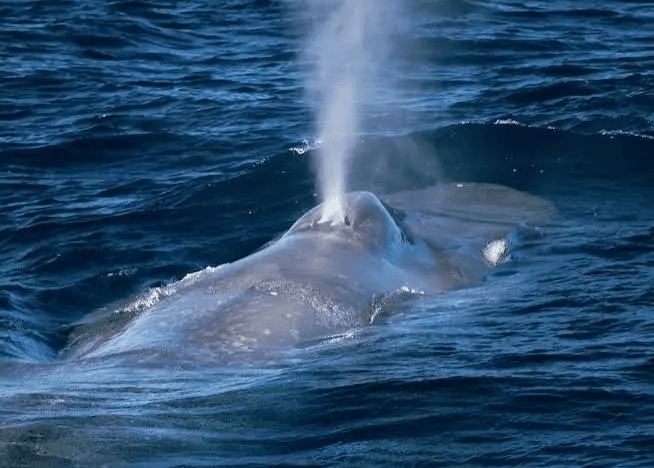
From the boat, a sighting usually starts with a blow — a burst of spray as a whale surfaces to breathe — followed by a glimpse of its back or dorsal fin, and sometimes a tail as it dives again. Blue whales are the species most associated with these waters, and you may also see sperm whales, fin whales, Bryde’s whales, spinner and bottlenose dolphins, seabirds, flying fish, and occasionally a sea turtle. Sightings can last anywhere from a few seconds to several minutes, depending on the animal’s behaviour.
How Long the Tour Runs
Our Whale Watching Tour typically runs 3 to 5 hours in total, covering the boat ride out, time spent looking for and following wildlife, and the return to harbour.
Seasickness and Comfort on Board
Because this is an open-water boat trip, it’s worth taking precautions for seasickness before you board if you’re prone to it. Light, comfortable clothing and reef-safe sunscreen help too, since you’ll be outdoors on the deck for most of the trip.
What to Bring
A few essentials make the morning easier: your passport or a copy of it for port registration, reef-safe sunscreen and sunglasses, light clothing, and a waterproof bag or case to protect your phone or camera from sea spray.
If We Don’t See Any Whales
Whales are wild animals, so no operator can promise a sighting. If your trip doesn’t turn one up, you’re welcome to join a future tour at no extra cost — that’s our standing policy, not a guarantee of a sighting on any single trip.
Whale Watching vs. Whale Snorkeling: What’s the Difference
Our Whale Watching Tour keeps you on deck the whole time — no swimming required, just following whales and dolphins by boat. Whale Snorkeling goes a step further, pairing the same kind of boat cruise with a guided, in-water snorkel alongside the whales, always at a respectful distance. If you’d rather stay dry and simply watch, the Whale Watching Tour is the better fit; if you want to get in the water, Whale Snorkeling is our in-water option. Either way, the best time to go is broadly the same.
Ready to book? See full details for the Whale Watching Tour or Whale Snorkeling, or check our FAQ for more on safety and logistics.